Sustainable Solutions: Building a Greener Future
- fredrick chiteri
- Mar 12, 2024
- 2 min read

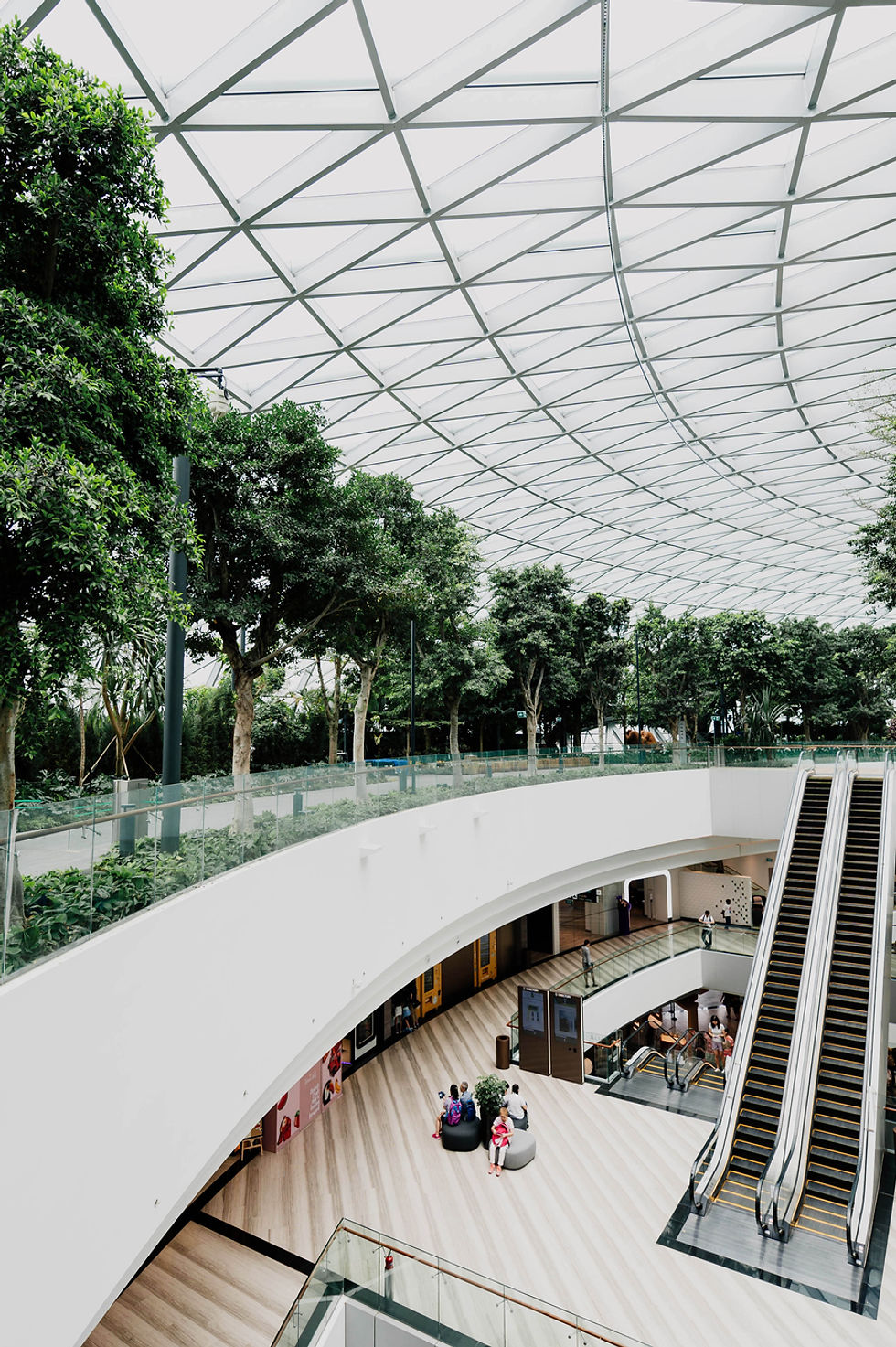
In today's world, sustainability is a key consideration in all aspects of life, including civil engineering. As we strive to build a greener future, it is important for civil engineers to embrace sustainable solutions in their projects. In this blog post, we will explore some sustainable features that can be incorporated into buildings, showcasing how civil engineers can contribute to a more sustainable future. One of the most popular sustainable features in buildings is the use of solar panels. Solar panels harness the power of the sun to generate electricity, reducing the reliance on fossil fuels. By incorporating solar panels into buildings, civil engineers can help reduce carbon emissions and promote the use of renewable energy sources. Another sustainable feature that can be incorporated into buildings is green roofs. Green roofs are essentially gardens on the rooftops of buildings, providing numerous environmental benefits. They help reduce the urban heat island effect, improve air quality, and provide insulation, reducing the need for artificial heating and cooling. Civil engineers can design buildings with green roofs, creating a more sustainable and aesthetically pleasing urban landscape. Rainwater harvesting systems are also a sustainable solution that civil engineers can implement in buildings. These systems collect rainwater and store it for later use, reducing the demand for freshwater resources. The collected rainwater can be used for irrigation, flushing toilets, or even as a source of drinking water with proper treatment. By incorporating rainwater harvesting systems, civil engineers can contribute to water conservation efforts and reduce the strain on municipal water supplies. In addition to these specific sustainable features, civil engineers can also focus on designing buildings with energy-efficient systems and materials. This includes using energy-efficient lighting, HVAC systems, and insulation materials. By optimizing energy usage, civil engineers can help reduce the carbon footprint of buildings and promote energy conservation. Aspiring engineers can also play a role in building a greener future by considering sustainability in their designs. By incorporating sustainable features and materials from the early stages of a project, they can ensure that sustainability is at the forefront of their designs. In conclusion, building a greener future requires the collective efforts of civil engineers, architects, and designers. By incorporating sustainable features such as solar panels, green roofs, rainwater harvesting systems, and energy-efficient systems, civil engineers can contribute to a more sustainable and environmentally friendly built environment. Let us embrace sustainable solutions and work towards a greener future in the field of civil engineering.


Comments